Daisy Greeting Card SVG Review
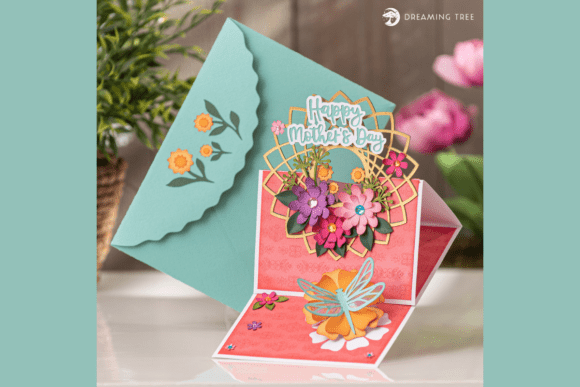
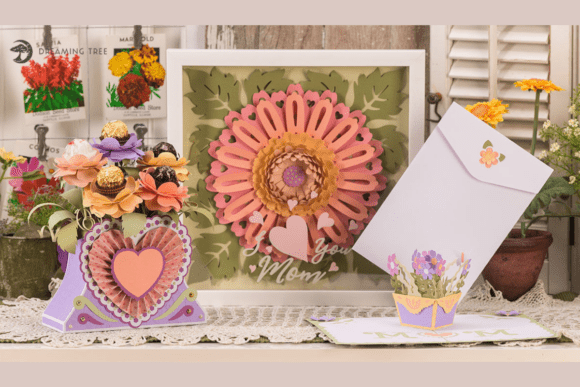
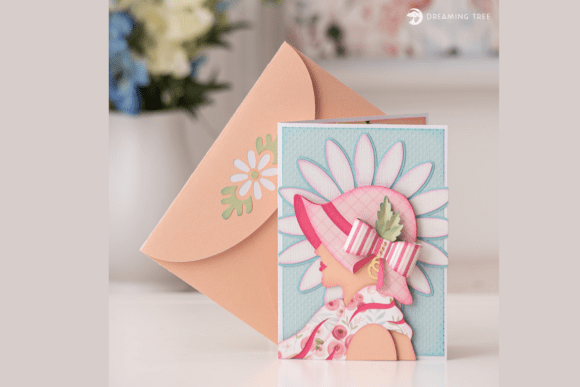
As a designer who has spent years stitching everything from delicate heirlooms to high-volume commercial orders, I approach every new file with a mix of excitement and skepticism. When Daisy Greeting Card SVG landed on my desk, I didn't just see another floral motif; I saw a potential centerpiece for a Mother's Day collection. The description promises a charming 3D floral card featuring a layered daisy motif and a coordinating envelope. While the concept is sweet, the real test lies in how it translates from a digital preview to a tangible, stitched reality. This review breaks down exactly where this design shines and where you need to tread carefully before adding it to your finished product line.
First Impressions: Mood and Visual Personality
The moment I opened the file, the Daisy Greeting Card SVG projected a warm, inviting energy that feels perfectly suited for springtime celebrations. Unlike stiff, geometric vector shapes, this design breathes. The layered daisy motif suggests depth, which is crucial when we are talking about a 3D SVG intended for embroidery. It creates an immediate sense of tactility. For a handmade shop owner or an Etsy seller, this visual personality is gold because it signals quality before the customer even touches the item.
The layout is balanced, avoiding the clutter that often plagues busy floral designs. There is enough negative space around the petals to allow the fabric texture to peek through, which adds to the artisanal feel. However, the "card" aspect implies a specific orientation. It isn't just a scattered flower; it has a structure that mimics a folded note or a greeting card front. This makes it ideal for projects where the design needs to be framed or centered, such as a pillow cover or a kitchen towel, rather than all-over prints on a large garment.
Real-World Application: From Digital File to Finished Product
I recently tested this design with a practical goal in mind: creating a boutique-quality embroidered patch and a custom tote bag for a local craft fair. My primary concern was how the machine embroidery design would handle the transition from screen to fabric. In the case of the tote bag, the design performed exceptionally well. The clean lines of the envelope and the distinct layers of the daisy held up beautifully against the canvas texture. It added a touch of elegance that elevated a standard tote into a premium gift item.
For the embroidered patch, the layered nature of the Daisy Greeting Card SVG allowed for creative thread color choices. I used a satin stitch for the outlines to give them a crisp edge and fill stitches for the petals to create volume. The result was a piece that looked dimensional, living up to its 3D promise. This versatility is rare. Many designs look great on paper but fall flat when stitched densely. This one manages to balance detail with wearability, making it a strong candidate for small business merchandise like aprons, caps, or baby clothes.
When considering holiday embroidery or personalized gifts, the design offers a unique angle. Instead of generic text-heavy greetings, the Daisy Greeting Card SVG serves as a visual anchor. Imagine a mother receiving a hand-stitched tea towel with this motif alongside her name. The emotional value skyrockets because the design feels curated rather than mass-produced. For digital product sellers, this file is also a fantastic asset for creating printable mockups that show clients exactly what their custom apparel will look like.
Where Caution is Required: Fabric and Stitch Density
While the design is robust, no single file is a magic bullet for every scenario. As an experienced reviewer, I must highlight specific areas where Daisy Greeting Card SVG might struggle if not handled with care. First, consider the hoop size. If you attempt to stitch this on a very small hoop, the fine details of the layered petals might get lost or distorted due to fabric pull. Always confirm your hoop size before starting a project.
Textured fabrics can be tricky. If you choose a heavily textured linen or a bouclé wool, the stabilizer may not hold the design flat enough, causing the satin stitch edges to wobble. Similarly, thin or stretchy fabrics require a heavy-duty stabilizer to prevent puckering. I would advise against using this design on dark fabrics without a significant underlay or a contrasting background layer, as the light colors of the daisy might not pop sufficiently unless you use high-quality, opaque threads.
Another critical factor is the density of the stitch work. If the design includes dense fill areas, running it on a machine without proper tension adjustments could lead to thread breaks or skipped stitches. For products that need frequent washing, like baby clothes or kitchen towels, ensure the stitch density is appropriate for durability. If the design relies too heavily on tiny lettering or intricate corners, those elements are prone to fraying over time. In these cases, it is better to use the design as a decorative accent rather than the sole focus of the garment.
Strategic Design Notes for the Professional Maker
To get the most out of this embroidery file, I recommend a few practical steps before committing to a final production run. Start by testing the design on scrap fabric that matches your intended project material. This allows you to gauge how the thread colors interact with the fabric texture and whether the stitch density is manageable for your specific machine.
Always inspect small details closely. Sometimes, what looks clear on a monitor appears jagged or blurry once stitched. Checking the design in black and white mockups can help you visualize contrast issues that color might hide. If you plan to sell this as part of a commercial embroidery project, double-check the licensing terms. Ensure you have the right to sell finished items made from the design, especially if you are operating a crafter business or an Etsy shop.
Using a proper stabilizer is non-negotiable. For a design with layered elements like the Daisy Greeting Card SVG, a cut-away stabilizer often provides the best support for long-term shape retention. Compare light and dark fabric backgrounds to see which offers the highest visual appeal. Finally, consider the end-use. Is this for a sentimental gift, a wedding favor, or a retail item? The answer dictates how much attention you pay to finishing touches like trimming loose threads and pressing the final product.
Final Verdict on Design Value
The Daisy Greeting Card SVG stands out as a thoughtful addition to any designer's library, particularly for those focusing on Mother S Day collections or spring-themed crafts. It successfully bridges the gap between digital art and tactile craftsmanship. By understanding its strengths and respecting its limitations regarding fabric type and hoop size, you can create finished products that customers will cherish. Whether you are decorating a sweatshirt, crafting a nursery item, or building a brand identity for a boutique, this design offers a professional polish that enhances perceived value. Just remember to test first, stabilize properly, and let the charm of the daisy do the talking.